Exclusive Benefit for NCRO Members: 7 Local Dealers Simplify Car Buying for Retirees

We now have seven Detroit Metro dealers participating in the Retiree Friendly “no hassle” process for selling vehicles to retirees. You can also visit our website to review the list of retiree-friendly dealers and their contact information.

If you are in the market for a vehicle, contact one of the Retiree Friendly Dealers listed below to schedule an appointment. Please make sure that you contact the person identified for that dealer, as they understand the retiree-friendly dealer program. Also, remember the Chrysler Employee and Retiree Advantage Program. Control numbers are available for your use at https://www.ea.chrysler.com/EmpAdv/

Also, remember to use the Retiree Friendly Dealers for your service maintenance. If you go to one of the Retiree Friendly Dealers for maintenance, please let them know that you are a member of NCRO. This will let the dealers know that NCRO members are supporting them since these dealers are supporting NCRO.

Participating Dealers:

Birmingham:

Bloomfield Hills:

Rochester Hills:

Warren:

Chelsea:

Roseville:

Auto Tech Tips

The NCRO has added a section to our website for members to ask questions about issues with their Stellantis vehicles. Once we receive a question, it will be submitted to one of our retiree-friendly dealers. The response will be posted on the website, and a separate email will be sent to the individual who asked the question. Our retiree-friendly dealers support this process. Please be aware that some issues may eventually require a visit to the dealership service department to be resolved.

2K views
0 FacebookLinkedinCopy LinkEmail

Key Takeaways: 7 Signs It’s Time to Move to a Senior Living Facility

  1. Daily Activities: Needing help with daily tasks is not a failure — it’s a signal that support can improve safety and preserve dignity.

  2. Falls and Accidents: Preventing the next fall is easier — and safer — than recovering from the last one.

  3. Health and Mobility: Consistent medical oversight can prevent small issues from becoming major emergencies.

  4. Social Isolation: Staying socially engaged keeps the mind sharp and the heart happy.

  5. Household Responsibilities: Removing stress from daily life frees up energy for activities you enjoy.

  6. Nutrition: Good nutrition is a cornerstone of healthy aging — don’t compromise it.

  7. Caregiver Burnout: Healthy caregivers create healthier care situations for everyone involved.

Deciding whether it’s time to transition into a senior living facility can be one of the most challenging decisions for retirees and their families. At the National Chrysler Retirement Organization (NCRO), we understand that this decision is deeply personal and can stir up a range of emotions. The goal isn’t to give up independence but to gain support, security, and a better quality of life. Here are seven key signs that may indicate it’s time to explore senior living options — along with key takeaways and helpful resources.

 
1. Increasing Difficulty with Daily Activities
If getting dressed, bathing, cooking, or cleaning has become physically exhausting or unsafe, this is one of the clearest signs it may be time to consider help. Senior living facilities provide assistance with activities of daily living (ADLs) while allowing residents to remain as independent as possible.
 
Key Takeaway: Needing help with daily tasks is not a failure — it’s a signal that additional support can improve safety and preserve dignity.
 
2. Frequent Falls or Accidents
Falls are a leading cause of injury among older adults. If you or your loved one has experienced more than one fall recently, or you feel unsafe moving around the house, it’s a red flag. Senior living communities are designed with safety in mind — grab bars, non-slip flooring, and 24-hour staff can make a big difference.
 
Key Takeaway: Preventing the next fall is often easier — and safer — than recovering from the last one.

 
3. Decline in Health or Mobility
Chronic health issues or limited mobility can make it hard to stay on top of medications, medical appointments, and proper nutrition. Assisted living facilities often provide medication management and have staff available to monitor health concerns, which can reduce hospital visits and improve overall well-being.
 
Key Takeaway: Consistent medical oversight can prevent small issues from becoming major emergencies.

 
4. Social Isolation
Loneliness can be just as harmful as physical illness. If days go by without meaningful social interaction, mental and emotional health can decline quickly. Senior living facilities encourage connection with peers through group activities, exercise classes, games, and shared meals — often bringing back a sense of purpose and joy.
 
Key Takeaway: Staying socially engaged keeps the mind sharp and the heart happy.

 
5. Difficulty Managing Household Responsibilities
Paying bills late, forgetting to maintain the home, or leaving mail unopened can be signs that managing a household is becoming overwhelming. Senior living eliminates the burden of housekeeping, lawn care, and home repairs, allowing retirees to focus on hobbies and relationships.
 
Key Takeaway: Removing stress from daily life frees up energy for activities you enjoy.

 
6. Unexplained Weight Loss or Poor Nutrition
If cooking or shopping for groceries has become too much of a challenge, seniors may skip meals or rely on unhealthy convenience foods. Many senior living facilities offer nutritious, chef-prepared meals and can accommodate special diets, ensuring residents stay healthy and energized.
 
Key Takeaway: Good nutrition is a cornerstone of healthy aging — don’t compromise it.

 
7. Caregiver Burnout
If a spouse, family member, or friend is providing daily care and showing signs of stress, exhaustion, or resentment, it may be time to consider additional support. Senior living facilities can relieve the pressure on caregivers, allowing relationships to shift back to being loving and supportive rather than purely caretaking.
 
Key Takeaway: Healthy caregivers create healthier care situations for everyone involved.

 
Key Takeaway for NCRO Members
Recognizing these signs early allows retirees and their families to take control of the decision-making process. Senior living facilities are not about losing independence — they are about gaining a safe, supportive, and engaging lifestyle.
 
NCRO Tip: Talk with family, tour a few facilities, and compare services before a health crisis forces a rushed decision. Planning ahead creates peace of mind for everyone involved.

Some factors to consider when choosing a senior care facility include:

  • Facility location
  • Scheduled activities and social events
  • Food offered
  • Staffing ratios and turnover
  • Cost and potential add-on fees for additional services
  • Room size and whether the room is private or shared
  • Safety and security measures
01
Content Generated with AI...

...with Edits and Modifications

At NCRO, we are proud to uphold the highest standards of accuracy and quality in all our content. Our articles are meticulously crafted by advanced AI technology, rigorously reviewed, and approved by our dedicated NCRO committees before being shared on our website. This thorough process ensures that our readers receive reliable and credible information they can trust.
1.5K views
0 FacebookLinkedinCopy LinkEmail
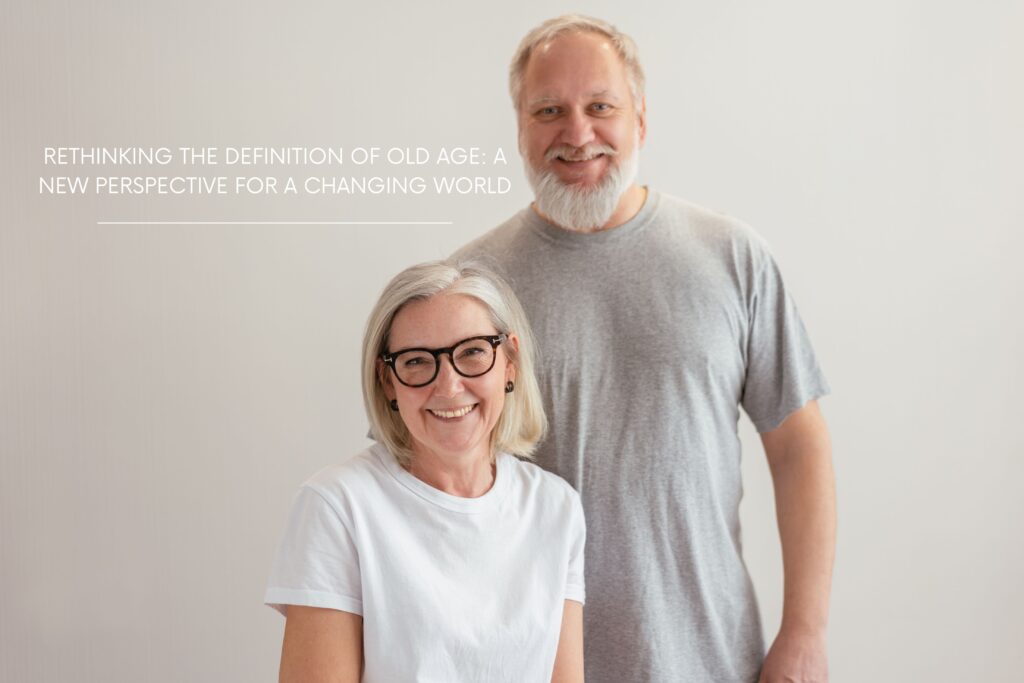
For generations, “old age” has been measured by the number of years we have lived. Traditionally, turning 60 or 65 was seen as the milestone that marked the beginning of later life. Retirement, Medicare eligibility, and social expectations reinforced this definition. But today, as lifespans increase, health improves, and society evolves, the meaning of “old age” is being redefined.
 

The National Chrysler Retirement Organization’s Aging Information Committee is committed to helping members understand these shifts and their implications. More than ever, age is about vitality, contribution, and perspective—rather than a fixed number.

Why the Traditional Definition No Longer Fits

In the mid-20th century, the average life expectancy in the United States hovered around 65 to 70 years. Reaching retirement age meant stepping into the final chapter of life. But today, many individuals live well into their 80s and 90s, with growing numbers surpassing 100. Improved healthcare, advances in technology, and greater awareness of lifestyle choices have extended both lifespan and healthspan—the years of life spent in good health.
 

Because of these changes, calling someone “old” at 65 no longer makes sense. Many retirees in their 60s and 70s are active volunteers, caregivers for grandchildren, and even entrepreneurs. They are healthier, more engaged, and contributing more than ever before.

A Shift Toward Functional Age

Experts are now shifting from “chronological age” (how many years we’ve lived) to “functional age” (how we feel and function). Functional age considers physical health, cognitive abilities, independence, and emotional well-being.
For example, one 75-year-old may still run marathons, while another might face significant health challenges. Labeling both as “old” based on their birth date alone overlooks the wide spectrum of experiences and capabilities.
 
This shift acknowledges that aging is not uniform—it’s deeply personal. It allows for a more realistic and empowering view of what later life can look like.
 

Cultural and Global Perspectives

The definition of old age also varies across cultures. In some societies, elders are respected as keepers of wisdom and tradition. Age is not seen as decline but as a time of honor and contribution. In Japan, for instance, where life expectancy is among the highest in the world, aging is often embraced as a natural stage of life that brings respect.
 
Meanwhile, in many Western cultures, “old age” has historically been associated with decline and dependency. However, attitudes are beginning to shift as more older adults live active, meaningful lives. This cultural evolution is reshaping how aging is viewed not only in families, but also in workplaces, communities, and policy-making.

What This Means for Retirees

For NCRO members, this new definition of old age offers both freedom and responsibility. It means:
  • Staying engaged: Whether through volunteering, mentoring, or part-time work, retirees have more opportunities to stay active contributors.
  • Prioritizing health: With longer lifespans, maintaining physical and mental health becomes more important than ever.
  • Adapting expectations: Retirement may no longer mean “slowing down.” Instead, it can be a launchpad for new experiences and personal growth.

Importantly, it also means challenging outdated stereotypes. Aging does not automatically mean frailty or irrelevance—it can mean wisdom, resilience, and purpose.

Looking Ahead

As our society continues to age, redefining “old age” has practical implications. Policies around retirement, healthcare, and social services must adapt to reflect the realities of longer, healthier lives. Employers are also rethinking the value of older workers, and communities are exploring ways to be more inclusive of multi-generational participation.
 

The Aging Information Committee will continue to share updates, research, and resources to help members navigate these changes. Through our website, newsletters, and free webinars, we provide tools and insights to support members in embracing aging as a dynamic, fulfilling stage of life.

Conclusion

“Old age” is no longer simply a matter of counting years. It is about how we live, how we adapt, and how we continue to contribute. By moving beyond outdated definitions, we can view aging not as an ending but as an evolving opportunity.
 
For NCRO members, this new perspective is empowering. With health, community, and purpose at the center, the future of aging is not about growing old—it’s about living well.
01
Content Generated with AI...

...with Edits and Modifications

At NCRO, we are proud to uphold the highest standards of accuracy and quality in all our content. Our articles are meticulously crafted by advanced AI technology, rigorously reviewed, and approved by our dedicated NCRO committees before being shared on our website. This thorough process ensures that our readers receive reliable and credible information they can trust.
2.4K views
0 FacebookLinkedinCopy LinkEmail

Health Savings Account

by NCRO

What is a Health Savings Account?

HSAs are tax-advantaged member-owned accounts that let you save pre-tax dollars for future qualified medical expenses. You can invest in mutual funds tax-free—and funds never expire.

Have a Question, Send Us an Email

If you have a question for the Insurance Committee, you can send an email or, feel free to leave a comment below.

10.6K views
0 FacebookLinkedinCopy LinkEmail
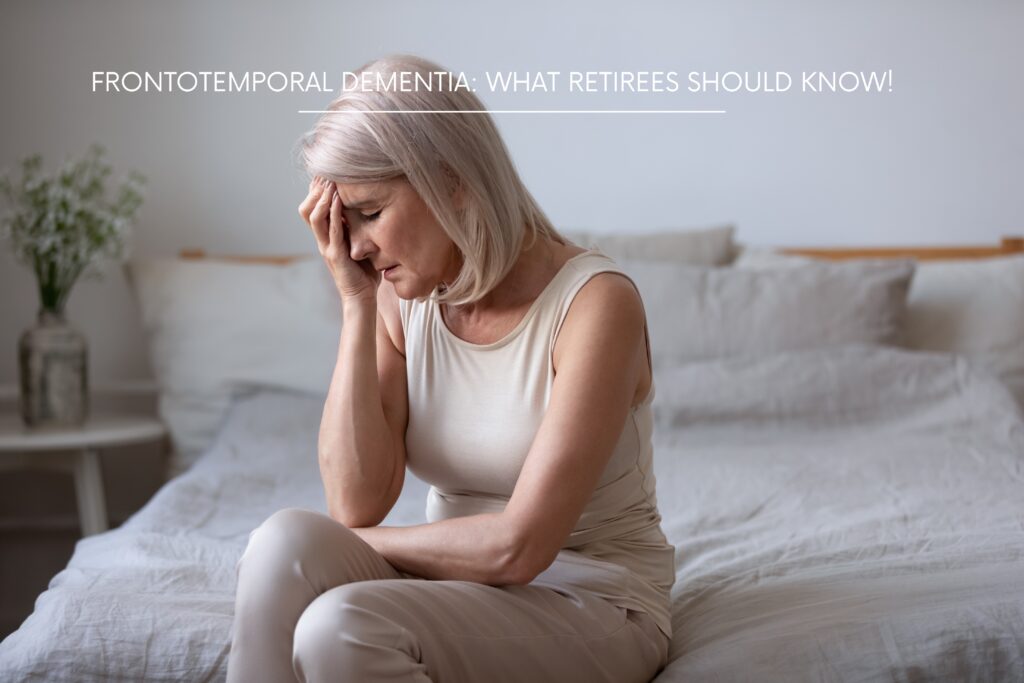
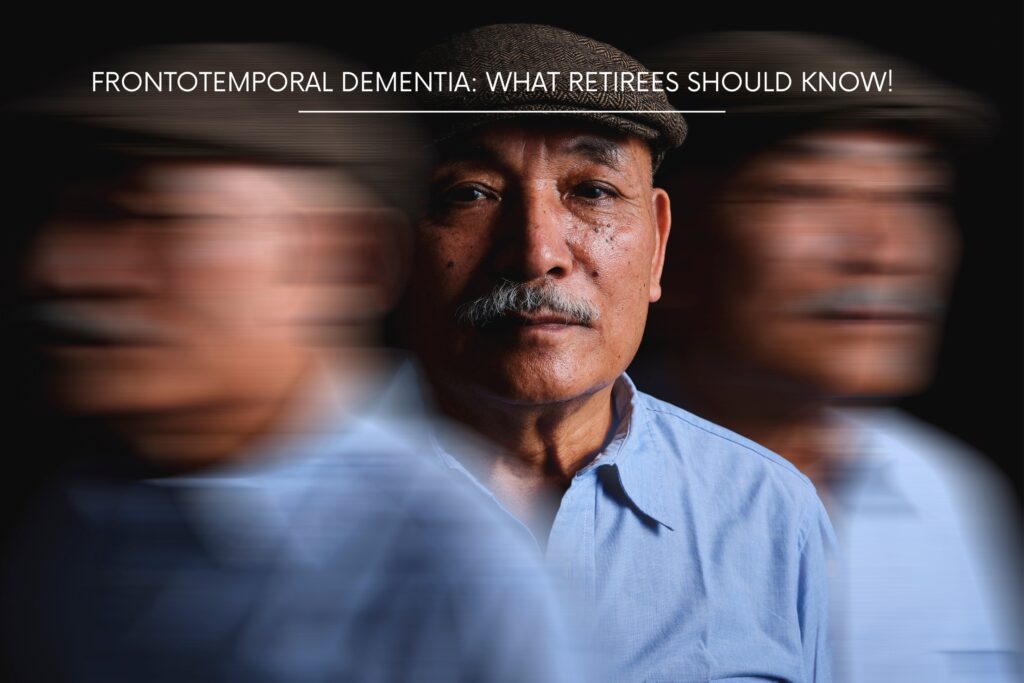
When we think about dementia, most of us picture Alzheimer’s disease — memory loss, confusion, and difficulties with daily living. But there’s another type of dementia that is far less common, yet equally important to understand, particularly as we age. It’s called Frontotemporal Dementia (FTD), and it affects the brain — and the people living with it — in unique ways.
 

What is Frontotemporal Dementia?

 FTD is a group of brain disorders caused by the progressive degeneration of the frontal and temporal lobes — the parts of the brain responsible for personality, behavior, decision-making, and language. Unlike Alzheimer’s disease, which primarily affects memory early on, FTD often begins by changing how a person acts, speaks, and interacts with others.
 
Because of these distinct symptoms, FTD is sometimes mistaken for a psychiatric condition like depression or bipolar disorder. It can be particularly challenging for families when personality and social behavior change before memory does.
 

Who is at Risk?

 Frontotemporal Dementia accounts for roughly 10–20% of dementia cases, making it the second most common dementia in people under 65. While it can develop later in life, its average onset is earlier — often in one’s 50s or 60s — which can be a surprise to those who think dementia is strictly a condition of very old age.
 
Researchers are still working to understand the exact causes. In some cases, FTD is linked to genetic mutations, meaning there may be a hereditary risk. For others, there’s no clear family connection.
Signs and Symptoms
 

Early signs of FTD can vary widely, but they usually fall into two categories:

  • Behavioral Changes – These can include inappropriate social behavior, loss of empathy, poor judgment, impulsiveness, or a decline in personal hygiene.
  • Language Difficulties – Known as Primary Progressive Aphasia (PPA), this type affects a person’s ability to speak, understand, or find the right words.
Memory loss may not appear until later in the disease, which is why FTD can be misdiagnosed. Loved ones are often the first to notice these subtle but impactful changes.
Diagnosis and Treatment
 

Diagnosing FTD can take time. Doctors may use neurological exams, brain imaging (MRI or PET scans), and sometimes genetic testing. Because FTD is not caused by plaques and tangles like Alzheimer’s, the approach to care is slightly different.

Currently, there is no cure for FTD, but treatment focuses on managing symptoms and improving quality of life. This can include medications for mood or behavior changes, speech therapy, and occupational therapy to maintain independence as long as possible.

Caring for Someone with FTD

 FTD can be especially challenging for caregivers. The personality and behavioral changes can feel personal, even when they are not. Support groups, counseling, and respite care can help caregivers avoid burnout.
 
If you or someone you know is facing FTD, early diagnosis and a strong support network can make a meaningful difference. Connecting with organizations like the Association for Frontotemporal Degeneration can provide valuable resources.
 

Helpful Resources

  • Association for Frontotemporal Degeneration (AFTD) – www.theaftd.org
    Provides education, caregiver guides, and a helpline.
  • Alzheimer’s Association – FTD Information – www.alz.org/ftd
    Offers resources and support for all dementias, including FTD.
  • Family Caregiver Alliance – www.caregiver.org
    Support, tips, and respite care resources for caregivers.
  • National Institute on Aging – www.nia.nih.gov/health/frontotemporal-disorders
  • Research-based articles and updates on FTD and other cognitive disorders.
01
Content Generated with AI...

...with Edits and Modifications

At NCRO, we are proud to uphold the highest standards of accuracy and quality in all our content. Our articles are meticulously crafted by advanced AI technology, rigorously reviewed, and approved by our dedicated NCRO committees before being shared on our website. This thorough process ensures that our readers receive reliable and credible information they can trust.
1.6K views
0 FacebookLinkedinCopy LinkEmail
As members of the National Chrysler Retirement Organization, we know that health and well-being in later life are not determined solely by genetics or personal choices. Equally important are the environments in which we live, work, and age. From the neighborhoods we grow up into the communities we choose for retirement, these physical and social environments have a profound influence on how healthy, active, and resilient we remain as we age.
 

Beyond Genetics: The Power of Environment

 While genetics contribute to our longevity and health outcomes, research shows that environmental factors play a greater role in shaping quality of life. The air we breathe, the safety of our neighborhoods, the accessibility of healthcare and social services, and the opportunities for social engagement all affect our physical and mental capacity. These factors accumulate throughout life and become especially significant in older age, when resilience and adaptability are tested by loss, functional changes, or other challenges.
 

How Environment Shapes Health in Later Years

  1. Physical Environment
    A safe, accessible, and stimulating physical environment supports healthy aging. Communities with sidewalks, parks, and age-friendly housing help older adults stay active and independent. Conversely, environments that lack accessible transportation or safe public spaces may increase isolation and decline in mobility.
  2. Social Environment
    Just as important as the physical environment is the social environment. A strong support network of family, friends, and community connections promotes emotional well-being and guards against loneliness. Programs that encourage intergenerational interaction, volunteering, and civic engagement help older adults remain valued contributors to society.
  3. Economic Environment
    Financial security shapes health by influencing access to nutritious food, quality healthcare, and safe living conditions. Older adults in supportive economic environments are better able to manage health conditions and maintain independence.
 

Adapting to Life’s Challenges

As we age, we inevitably face losses and changes—whether through declining physical ability, the loss of loved ones, or transitions in living arrangements. A supportive environment can buffer these challenges. For example, technology-enabled homes can help compensate for reduced mobility, while socially connected communities can provide comfort and purpose after loss. Environments that enable adaptation are key to maintaining dignity and autonomy.

Diversity and Change

Both older adults and their environments are diverse and constantly evolving. Aging is not a one-size-fits-all experience. Some retirees thrive in bustling urban areas with rich cultural opportunities, while others prefer quieter rural communities with close-knit social ties. Similarly, environments change over time as neighborhoods develop, climates shift, and social norms evolve. Successful aging policies must recognize this diversity and flexibility.
 

The Role of the NCRO Aging Information Committee

At the NCRO, the Aging Information Committee is committed to supporting members by providing timely, reliable information on the many dimensions of aging. Through the NCRO website, newsletters, and free webinars, the committee shares updates on health, well-being, caregiving, financial planning, and community resources that matter most to retirees. By disseminating these updates, the committee ensures members have the tools and knowledge to make informed choices and adapt to the changing environments of later life.
 

Conclusion

Healthy aging is not predetermined by our genes alone. It is the product of lifelong interactions between individuals and their environments. By creating and supporting environments that are safe, inclusive, and empowering, we can help ensure that older adults not only live longer but also live well.
 
For our NCRO community, the Aging Information Committee plays a vital role in keeping us connected and informed. Through its ongoing updates, newsletters, and free webinars, the committee provides essential resources that enable us to thrive in every stage of retirement.
 
Together, we can turn the challenges of aging into opportunities for growth, resilience, and fulfillment.
01
Content Generated with AI...

...with Edits and Modifications

At NCRO, we are proud to uphold the highest standards of accuracy and quality in all our content. Our articles are meticulously crafted by advanced AI technology, rigorously reviewed, and approved by our dedicated NCRO committees before being shared on our website. This thorough process ensures that our readers receive reliable and credible information they can trust.
1.7K views
0 FacebookLinkedinCopy LinkEmail
Medicare Open Enrollment for 2025 is right around the corner—running from October 15 to December 7, 2025—and it’s your annual opportunity to review, compare, and change your Medicare coverage. Whether you’re happy with your current plan or considering a switch, it’s important to take proactive steps in the weeks and months leading up to enrollment to ensure you have the coverage you need at the best cost.
 

Here’s a step-by-step guide to help you prepare.


1. Mark Your Calendar and Know the Key Dates
Open Enrollment only happens once a year, and any changes you make will take effect on January 1, 2026. Missing the deadline could lock you into your current plan for another year unless you qualify for a Special Enrollment Period. Be sure to set reminders—both digital and on paper—to give yourself enough time to compare your options and avoid last-minute decisions.


2. Review Your Current Coverage
Before you even look at new options, take a close look at what you currently have:
  • Monthly premium – Is it still affordable within your budget?

  • Deductibles and copayments – Have your out-of-pocket costs increased this year?

  • Provider network – Are your preferred doctors and hospitals still covered?

  • Prescription drug coverage – Does your plan still cover your medications at a reasonable cost?

If you’ve been satisfied with your plan but have experienced higher costs or limited access to care, these might be signs it’s time to explore alternatives.

 
3. Review the Annual Notice of Change (ANOC)
Every September, your Medicare Advantage or Part D drug plan will send you an Annual Notice of Change (ANOC). This document outlines changes to your plan’s costs, benefits, and network for the coming year. Don’t ignore it—these updates could significantly affect your coverage and expenses in 2026. If you see changes that may impact you negatively, start comparing new plans immediately.


4. Check Your Prescription Drug Needs
Prescription coverage can change year to year. Drug formularies (lists of covered medications) may add or remove drugs, or change their cost tiers. Before Open Enrollment begins, make a list of all the medications you take and compare how they’re covered under your current plan and any alternatives. Even if your drug list hasn’t changed, plan pricing and preferred pharmacies can.


5. Use the Official Medicare Plan Finder
The Medicare.gov Plan Finder is one of the most reliable tools for comparing Medicare Advantage and Part D plans. You can enter your medications, preferred pharmacies, and doctors to see a cost breakdown for each plan in your area. This makes it easier to compare total yearly costs—not just monthly premiums.


6. Consider Your Healthcare Needs for 2026
Think ahead to the care you might need next year. Have you been diagnosed with a new health condition? Are you planning any surgeries or treatments? Do you want extra benefits like dental, vision, or hearing coverage? Your future needs should guide your choice just as much as your current ones.


7. Seek Guidance from Reliable Sources
Choosing the right Medicare plan can be overwhelming, especially with so many options and changes each year. Consider talking to:
  • State Health Insurance Assistance Programs (SHIPs) – Free, unbiased counseling.

  • NCRO resources and webinars – Our Medicare information sessions offer trusted guidance.

  • Licensed Medicare advisors – Professionals who can help you navigate complex choices.


8. Watch for NCRO’s Upcoming Medicare Webinar
To help you prepare, NCRO will host a Medicare 101 and 2026 Changes Webinar on Thursday, September 11, 2025, at 9:30 AM. This free session will explain how to interpret plan changes, avoid costly mistakes, and choose the right coverage. Mark your calendar and register early to secure your spot.


Final Thoughts

Medicare Open Enrollment is more than just a chance to switch plans—it’s your annual opportunity to ensure your health coverage matches your needs and budget. By reviewing your current coverage, checking for upcoming changes, and comparing options, you can make confident choices for the year ahead.
 
NCRO is here to support you every step of the way. Start your preparation now, stay informed, and take advantage of the valuable resources available to you!.
01
Content Generated with AI...

...with Edits and Modifications

At NCRO, we are proud to uphold the highest standards of accuracy and quality in all our content. This article was meticulously crafted by advanced AI technology, rigorously reviewed, and approved as modified by our dedicated NCRO IC Committee before being shared in this email and on our website.
1.7K views
0 FacebookLinkedinCopy LinkEmail
As we move deeper into the 21st century, one undeniable reality is shaping societies worldwide: people are living longer than ever before. Advances in medicine, technology, and living standards have pushed life expectancy upward, and for retirees, this offers both tremendous opportunities and new challenges. The idea of retirement is evolving—no longer a short chapter at the end of life, but often a decades-long phase that demands thoughtful planning, proactive health management, and flexibility to adapt to change.
 

A New Vision for Retirement

In the past, retirement often meant stepping away from work around age 65, then enjoying a relatively short period of leisure. Today, many retirees will live well into their 80s or 90s, with many years to fill. That shift brings with it the need to think differently about how we approach our later years—balancing financial security, health, and personal fulfillment.

Retirement is increasingly being seen as a time for reinvention. Some retirees are starting second careers, pursuing lifelong passions, or engaging in volunteer work that keeps them active and connected to their communities. This “second act” mindset doesn’t just provide purpose—it also contributes to mental and physical well-being.

Health Care in an Aging Society

One of the most significant factors influencing the future of retirement is the changing nature of health care. As populations age, demand for medical services is increasing, especially for managing chronic conditions like heart disease, diabetes, and arthritis. However, the good news is that preventive care and healthy lifestyle choices can delay or even prevent many age-related illnesses.
 

Emerging technologies—such as telemedicine, wearable health devices, and personalized medicine—are transforming how retirees can manage their health. Video visits with doctors reduce travel burdens, fitness trackers encourage daily activity, and genetic testing can help create individualized wellness plans. Additionally, advances in regenerative medicine and longevity research hold promise for extending not just lifespan but “healthspan”—the number of years we live in good health.

Financial Planning for Longer Lives

Living longer also means financing a longer retirement. The traditional model of relying solely on pensions and Social Security may no longer be enough. Today’s retirees must think strategically about income sources, investment options, and potential health care expenses over 20–30 years.
 
Financial experts recommend creating flexible plans that can adapt to changing circumstances. That includes maintaining a balanced investment portfolio, budgeting for health-related costs, and exploring supplemental insurance options like long-term care coverage. Retirees should also consider ways to generate income during retirement, such as consulting work, part-time employment, or rental property investments.
 

The key takeaway is that longevity should be factored into every retirement plan. Running out of savings is one of the greatest fears among retirees—but with proactive planning and periodic adjustments, that risk can be minimized.

Healthy Aging as a Lifestyle

Healthy aging isn’t just about medical care—it’s about daily habits that support vitality. Eating a balanced diet, staying physically active, nurturing strong social connections, and engaging in mentally stimulating activities all contribute to a higher quality of life in later years.
 

Communities that prioritize walkable neighborhoods, accessible fitness programs, and lifelong learning opportunities will play a major role in supporting older adults. The more retirees can remain engaged, mobile, and socially connected, the better their health outcomes tend to be.

The Road Ahead

The future of healthy aging and retirement will be shaped by how individuals, families, and policymakers respond to these demographic shifts. It’s a shared responsibility: retirees must embrace proactive planning and healthy living, while society must ensure that systems—retirement benefits, health care, and community resources—are equipped to support an aging population.
 
For members of the National Chrysler Retirement Organization, this is a time to take stock, explore new opportunities, and prepare for the road ahead. The retirement of tomorrow is not just about slowing down—it’s about staying strong, curious, and financially secure for as long as possible.
01
Content Generated with AI...

...with Edits and Modifications

At NCRO, we are proud to uphold the highest standards of accuracy and quality in all our content. Our articles are meticulously crafted by advanced AI technology, rigorously reviewed, and approved by our dedicated NCRO committees before being shared on our website. This thorough process ensures that our readers receive reliable and credible information they can trust.
1.8K views
0 FacebookLinkedinCopy LinkEmail
Medicare plays a vital role in the health and financial security of millions of retirees. If you’re one of them, it’s important to stay informed about changes that could impact your coverage, out-of-pocket costs, and how you manage your healthcare. In 2026, several key updates to Medicare are scheduled to take effect—and they may bring significant benefits and new considerations for current and future enrollees.
 
Whether you’re already on Medicare or approaching eligibility, now is the time to prepare. NCRO is here to help you understand what’s coming and how to make the most of your Medicare plan. And don’t forget: our free Medicare 101 Webinar is coming up on Thursday, September 11 at 9:30 a.m.—an excellent opportunity to get your questions answered.
 

What’s Changing in Medicare in 2026?

 
1. Prescription Drug Cost Reform
One of the most anticipated changes coming in 2026 is the federal government’s ability to negotiate drug prices directly with pharmaceutical companies—a first for Medicare. This provision, part of the Inflation Reduction Act, aims to significantly reduce the cost of some of the most expensive and widely used medications under Medicare Part D.
 
Price reductions will take effect in 2026 and are projected to save Medicare billions—savings that could lower premiums and out-of-pocket costs for beneficiaries.
 
2. Out-of-Pocket Spending Cap for Part D
Also beginning in 2026, Medicare Part D will introduce a $2,100 annual out-of-pocket cap for prescription drug expenses. This is a major win for retirees, many of whom have faced unlimited drug costs in the past if they required specialty or high-cost medications. The cap offers peace of mind and makes it easier to budget for medical expenses.
 
3. Expanded Eligibility and Preventive Services
Medicare continues to expand access to preventive services. While not exclusive to 2026, ongoing improvements will broaden access to screenings, vaccines, and chronic disease management. There is also discussion in Congress about expanding coverage for services like hearing, dental, and vision—though these changes are still under consideration.
 
4. Greater Plan Transparency and Accountability
Starting in 2026, Part D plans will be required to be more transparent about costs and formularies (the list of covered drugs). This means you’ll have better tools to compare plans, estimate your costs, and ensure your medications are covered—making it easier to choose the right plan during open enrollment.
 

What Do These Changes Mean for You?

 
These changes are designed to make Medicare more affordable, especially for retirees with fixed incomes. However, they also mean you’ll need to be more proactive in reviewing your plan each year. It will be more important than ever to compare coverage options and understand your benefits.
 
If you’re under 65 and planning for retirement, knowing what to expect from Medicare can help you prepare now. For those already enrolled, these reforms could lead to substantial savings—but only if you know how to navigate the system.

Join Us for a Free Medicare Webinar – September 11 at 9:30 a.m.

To help you make sense of these upcoming changes, the National Chrysler Retirement Organization is hosting a free educational webinar:

 “Medicare 101: Information for Pre-65 and 65+”
📅 Thursday, September 11, 2025
🕤 9:30 a.m. Central Time
💻 Online – Free for NCRO Members
 

This webinar will cover:

  • Medicare Parts A, B, C, and D
  • 2026 policy changes and how they affect you
  • Coverage options before age 65
  • How to choose and change your plan
  • Answers to your Medicare questions
Whether you’re new to Medicare or just need a refresher, this session is for you. Registration details will be sent via NCRO email newsletter and posted on the NCRO website.


Final Thoughts | Stay Informed, Stay Prepared

Medicare changes can be complex, but staying ahead of them ensures you get the best coverage at the best price. As we approach 2026, keep an eye on updates and take advantage of resources like NCRO’s Medicare webinar to make the most of your benefits. 
For more information, visit Medicare.gov.
 
Your health and financial security matter—let’s navigate Medicare changes together!
 
National Chrysler Retirement Organization (NCRO).  Helping retirees make the most of their benefits.
01
Content Generated with AI...

...with Edits and Modifications

At NCRO, we are proud to uphold the highest standards of accuracy and quality in all our content. This article was meticulously crafted by advanced AI technology, rigorously reviewed, and approved as modified by our dedicated NCRO IC Committee before being shared in this email and on our website.
2K views
0 FacebookLinkedinCopy LinkEmail
For generations, retirees have relied on the familiar arrival of a paper Social Security check in the mail. For many aging Americans—especially those who are not tech-savvy or who lack easy access to banking—this monthly ritual has been a cornerstone of financial stability. But now, that system is changing.
 
The U.S. Treasury has fully phased out paper checks, requiring all federal benefit recipients, including Social Security and Supplemental Security Income (SSI) beneficiaries, to receive payments electronically. While this shift improves security and efficiency, it also presents real challenges for older retirees who may struggle with technology, distrust digital banking, or lack reliable internet access.
 
At the National Chrysler Retirement Organization (NCRO), we understand that this transition can be stressful. Many retirees worry about scams, payment delays, or simply navigating a new system after decades of routine. That’s why we’ve created this guide—to help you understand what’s changing, how it affects you, and what steps you can take to ensure your benefits continue without disruption.
 

Why Are Paper Social Security Checks Ending?

Since 2013, the federal government has been moving toward electronic payments for all federal benefits. This change was implemented for several important reasons:
  1. Enhanced Security – Paper checks can be lost, stolen, or forged. Electronic payments reduce fraud and ensure your money arrives safely.
  2. Faster Access to Funds – Direct deposit means no waiting for mail delivery or bank processing—your money is available immediately on payment day.
  3. Cost Savings – Taxpayers save millions annually by eliminating printing and mailing expenses.
While most retirees have already made the switch, some—particularly older adults who have used checks for years—may still need to transition. If you or a loved one haven’t yet enrolled in electronic payments, now is the time to act.
 

How to Receive Your Benefits Electronically

You have two main options for receiving Social Security payments:
 
1. Direct Deposit to a Bank or Credit Union Account
This is the simplest and most secure method. Your benefits are automatically deposited into your account each month.
  • How to Enroll:
    • Contact your bank for your account and routing numbers.
    • Call the Social Security Administration (SSA) at 1-800-772-1213 or sign up online at www.ssa.gov/deposit.
    • If you don’t have a bank account, many institutions offer low- or no-fee accounts for seniors.
2. The Direct Express® Debit Card
If you prefer not to use a bank, the Treasury provides a prepaid debit card where your benefits are loaded automatically.
  • Key Features:
    • No bank account required.
    • Works anywhere Debit Mastercard® is accepted.
    • No monthly fees for basic use (some transaction fees may apply).
  • How to Enroll: Call 1-800-333-1795 or visit www.usdirectexpress.com.

Special Considerations for Aging Retirees

This transition may be harder for older adults who:
  • Don’t use computers or smartphones – Setting up direct deposit may require help from family, a caregiver, or a local SSA office.
  • Have limited mobility – Visiting a bank or SSA office in person can be difficult. Consider asking a trusted person to assist.
  • Distrust digital banking – Some retirees worry about scams or losing access to their money. The Direct Express® card can be a simpler alternative.

Avoiding Scams & Fraud

Scammers often target retirees during transitions like these. Remember:
  • The SSA will never call, email, or text you asking for banking details.
  • Only provide information through official channels (SSA.gov or their verified phone number).
  • If unsure about a request, hang up and call the SSA directly.

What If You Don’t Make the Switch?

If you’re still receiving paper checks, you must switch to electronic payments as soon as possible. Failure to do so could delay your benefits. 

If you need help:

  • Ask a family member or caregiver for assistance.
  • Visit your local SSA office (call ahead for an appointment).
  • Contact NCRO for additional resources.

The Bottom Line

The end of paper checks is a significant change, but electronic payments offer greater security and convenience. If you haven’t already switched, take action today to avoid disruptions in your benefits.
.
Stay informed, stay secure, and ensure your benefits keep coming—without a hitch.


For more help, visit:
Disclaimer: This guide is for informational purposes only. For personalized advice, consult the SSA or a financial advisor.
01
Content Generated with AI...

...with Edits and Modifications

At NCRO, we are proud to uphold the highest standards of accuracy and quality in all our content. This article was meticulously crafted by advanced AI technology, rigorously reviewed, and approved as modified by our dedicated NCRO IC Committee before being shared in this email and on our website.
2.1K views
0 FacebookLinkedinCopy LinkEmail
National Chrysler Retirement Organization

This website uses cookies to improve your experience. We'll assume you're ok with this, but you can opt-out if you wish. Accept Read More