477 
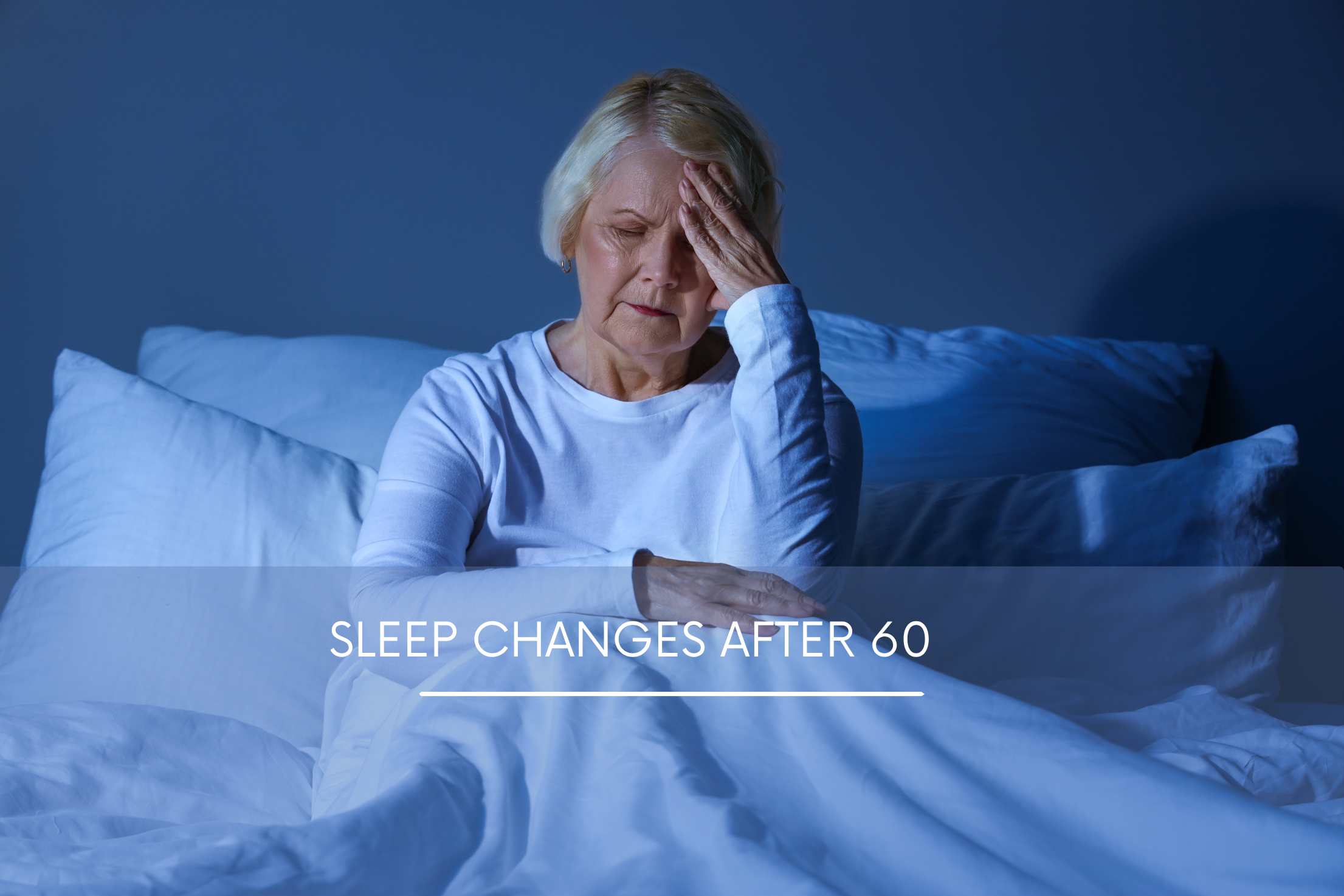
Many retirees notice that sleep changes with age. You may fall asleep earlier, wake more often during the night, or find yourself awake well before sunrise. One of the most common concerns among older adults is waking before 4 a.m. and not being able to fall back asleep.
Waking very early can happen for several reasons. As we age, our internal body clock often shifts earlier. The body also produces less melatonin, the hormone that helps regulate sleep. Sometimes early waking may simply mean your body has completed its sleep cycle earlier than it used to.
However, waking before 4 a.m. can sometimes signal something more. Stress, grief, anxiety, depression, pain, sleep apnea, medications, or frequent nighttime trips to the bathroom can all interrupt sleep. If early waking becomes a regular pattern and leaves you feeling tired, irritable, or low in mood during the day, it may be worth discussing with your doctor.
What should you do if you wake up before 4 a.m.?
First, avoid watching the clock. That often increases frustration and makes it harder to relax. If you feel calm, stay in bed for a little while and focus on slow breathing. If sleep does not return after about 20 minutes, get up and do something quiet and relaxing in dim light—read a few pages of a book, listen to soft music, or sit quietly.
Sometimes, though, early waking can become an opportunity rather than a problem.
If you are awake and feel rested, use that extra time to prepare yourself for the day. Start slowly. Drink a glass of water. Stretch gently to loosen stiff joints. Sit near a window or step outside for a few minutes of morning light, which helps set your body clock. Some retirees enjoy using this quiet time for prayer, meditation, journaling, or planning the day ahead.
A simple morning routine can make a big difference. Laying out clothes, preparing breakfast, reviewing appointments, or taking a short walk can help you feel more organized and less rushed once the day begins.
Good sleep habits still matter. Keep a regular bedtime, stay active during the day, limit caffeine late in the afternoon, and avoid long naps. A cool, dark, quiet bedroom can also help improve sleep quality.
Sleep changes are a natural part of aging, but waking early does not always mean something is wrong.
Paying attention to how you feel during the day can help you decide whether early waking is simply your body’s rhythm—or a sign to seek support.
Dale Koch, NCRO
Aging Information Committee
01
Content Generated with AI...
...with Edits and Modifications
At NCRO, we are proud to uphold the highest standards of accuracy and quality in all our content. Our articles are meticulously crafted by advanced AI technology, rigorously reviewed, and approved by our dedicated NCRO committees before being shared on our website. This thorough process ensures that our readers receive reliable and credible information they can trust.
MORE FROM THE AGING INFORMATION COMMITTEE
Many retirees notice that sleep changes with age. You may fall asleep earlier, wake more often during the night, or find yourself awake well before …
by Dale Koch