177 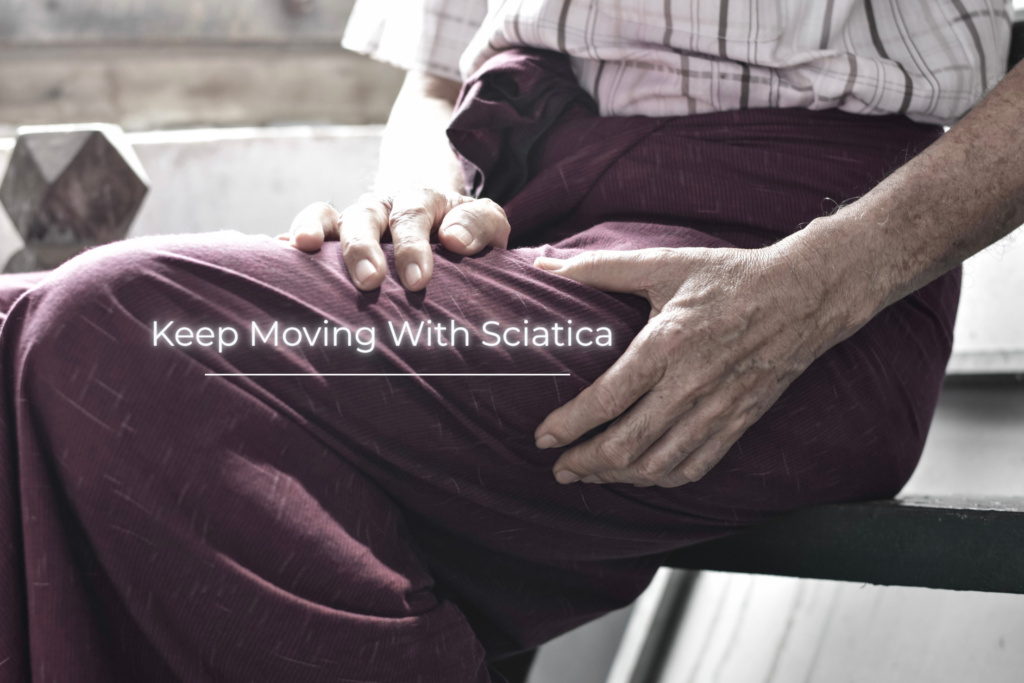
Frank had always considered himself to be in good health. He stayed active, enjoyed daily walks, and handled household tasks without much trouble. Over time, though, he began noticing a dull ache in his lower back and stiffness in his hips—especially first thing in the morning or after standing too long. His doctor explained that he was in the early stages of degenerative changes in his spine, something many adults experience with age. At first, Frank tried to ignore it. But as the discomfort increased, he realized the pain was affecting his balance, confidence, and the way he moved around his home.
Instead of waiting for a fall to happen, Frank took action.
- He cleared tripping hazards,
- added better lighting in key areas,
- and started doing simple stretching and strengthening exercises each day.
Within a few weeks, he noticed less stiffness, easier movement, and greater confidence. Today, Frank encourages other retirees not to dismiss early warning signs. A little prevention now can help avoid bigger problems later.
Physical therapists often remind retirees that falls are rarely caused by one single factor. They typically result from a combination of reduced strength, balance challenges, and environmental risks. The good news is that small, consistent changes can make a significant difference.
Start by making your home safer. Remove loose rugs, secure electrical cords, and keep walkways clear. Improve lighting in key areas like hallways and bathrooms. Install grab bars where needed and use non-slip mats in the shower. Also, keep commonly used items within easy reach to avoid unnecessary bending or climbing.
Don’t Let Sciatica Keep You From Enjoying Your Daily Walk
Equally important is maintaining strength and flexibility. For those dealing with Sciatica or lower-back tightness, targeted exercises can improve both comfort and stability.
Here are five simple movements to include in your routine:
1. Seated Marching
- Sit tall in a sturdy chair. Slowly lift one knee, then the other, alternating for 20–30 seconds to build hip strength and coordination.
2. Heel-to-Toe Standing
- Stand near a counter. Place one foot directly in front of the other and hold for 10–15 seconds. Switch sides. This improves balance control.
3. Standing Calf Raises
- Hold onto a chair, rise onto your toes, then lower slowly. Repeat 10 times to strengthen the lower legs.
4. Seated Piriformis Stretch
- Cross one ankle over the opposite knee and lean forward slightly. Hold 15–20 seconds. This can relieve sciatic tension.
5. Knee-to-Chest Stretch
- Lie on your back and gently pull one knee toward your chest. Hold 15 seconds, then switch. This helps reduce lower-back stiffness.
Frank’s experience is a reminder that prevention is far easier than recovery. By combining a safer home environment with simple daily exercises, you can protect your mobility and independence.
At the National Chrysler Retirement Organization, we encourage every member to take small steps today for a safer tomorrow.
Dale Koch, NCRO
Aging Information Committee
01
Content Generated with AI...
...with Edits and Modifications
At NCRO, we are proud to uphold the highest standards of accuracy and quality in all our content. Our articles are meticulously crafted by advanced AI technology, rigorously reviewed, and approved by our dedicated NCRO committees before being shared on our website. This thorough process ensures that our readers receive reliable and credible information they can trust.
more from the aging information committee
Frank had always considered himself to be in good health. He stayed active, enjoyed daily walks, and handled household tasks without much trouble. Over time, …
by Dale Koch