1. Aging Is a Shared Human Experience
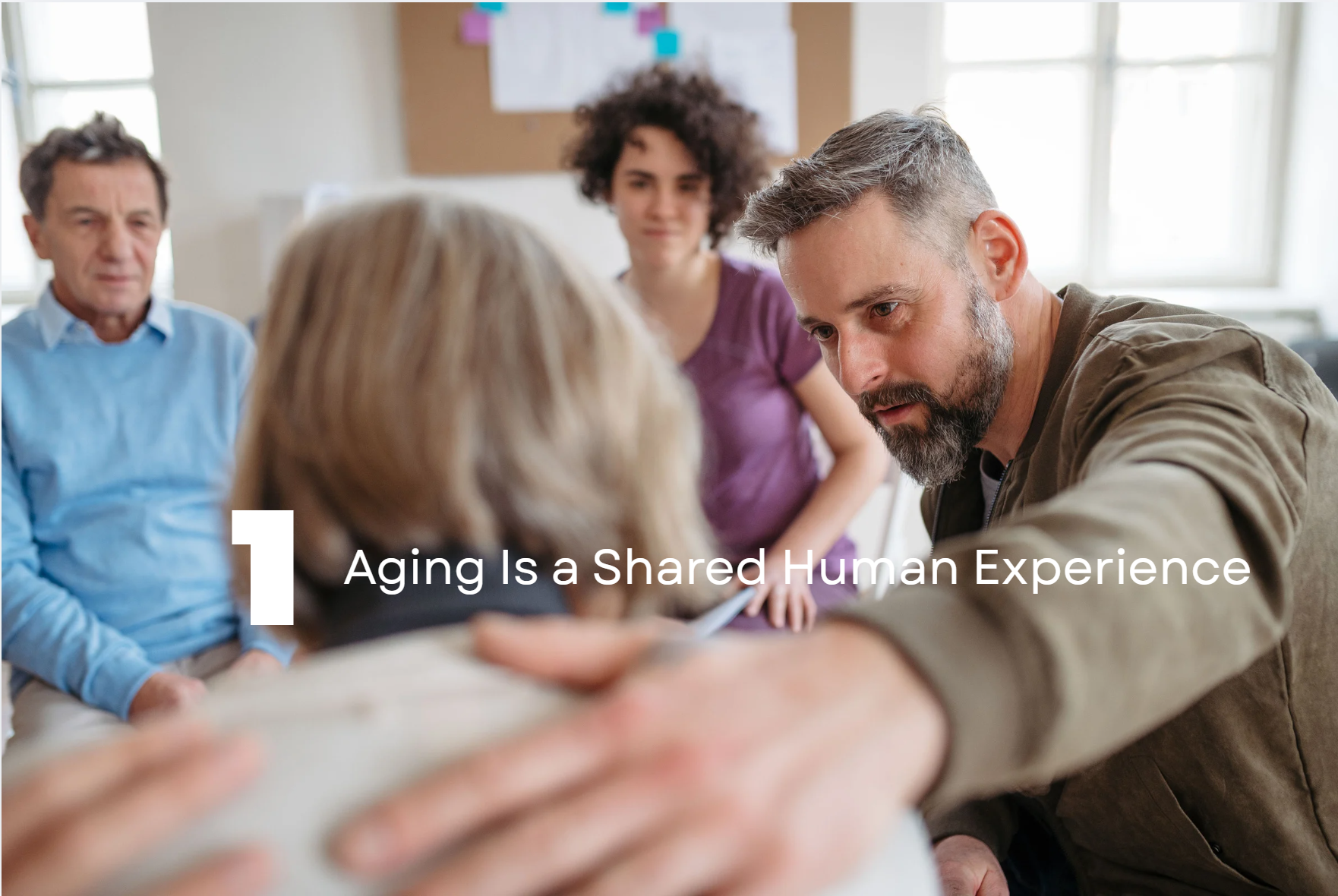
From the moment we are born, we are aging. It is not a phase we enter later in life—it is a universal journey we all share. Understanding aging helps us develop empathy for others and for our future selves. When we recognize that aging connects us all, it becomes easier to support policies, communities, and practices that value dignity, inclusion, and respect across generations.

2. The Choices You Make Today Shape Tomorrow
How we age is influenced by the habits we form early and often. Nutrition, physical activity, mental stimulation, social connection, and preventive healthcare all play critical roles in long-term well-being. Caring about aging now empowers people of all ages to make informed decisions that can improve quality of life later. Small, consistent actions taken today can lead to greater independence and resilience in the years ahead.
3. Aging Impacts Families and Communities
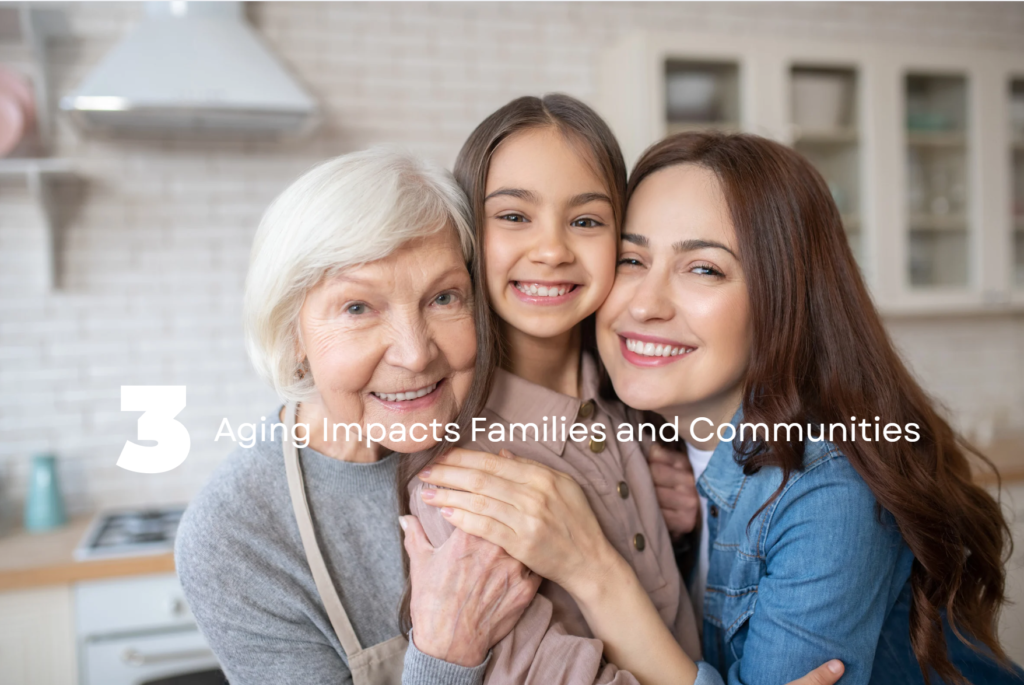
Even if aging feels distant personally, it likely touches someone you love. Parents, grandparents, neighbors, coworkers, and friends are all navigating their own aging journeys. By caring about aging, we become better prepared to support others—whether that means understanding caregiving challenges, advocating for accessible services, or simply offering patience and compassion. Strong, age-friendly communities benefit everyone, not just older adults.
4. Challenging Ageism Benefits All Generations
Ageism—stereotyping or discriminating based on age—affects how people are treated in the workplace, healthcare settings, and society at large. It limits opportunities and undermines confidence at both younger and older ages. When we care about aging, we challenge harmful myths that equate aging with decline. In doing so, we create a culture that values experience, innovation, and contribution at every stage of life.
People are living longer than ever before, and that is a remarkable achievement. Longevity offers opportunities for continued learning, reinvention, volunteering, creativity, and meaningful connection. Caring about aging means asking important questions: How do we make these extra years healthy, purposeful, and fulfilling? The answers require engagement from people of all ages—today’s young adults are tomorrow’s older adults.