29 

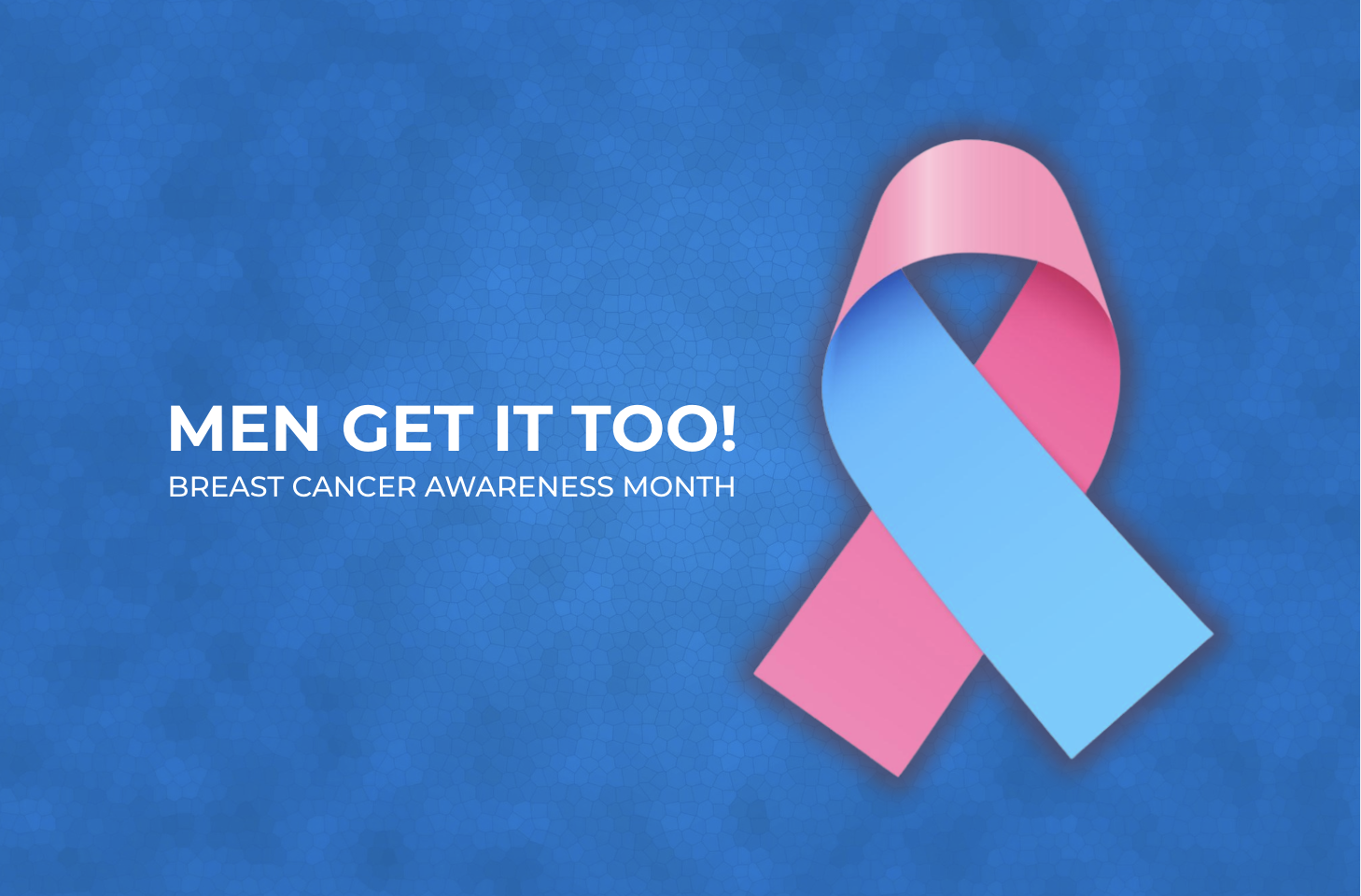
October is Breast Cancer Awareness Month. Most of the attention understandably focuses on women, but there is another message that deserves attention: men can develop breast cancer, too.
Breast cancer in men is rare. About 1 out of every 100 breast cancers diagnosed in the United States occurs in a man. According to the American Cancer Society, about 1 in every 100 breast cancers diagnosed in the United States occurs in a man. Although male breast cancer is rare, the risk increases with age, making awareness especially important for older men. Risk also increases with age, with most male breast cancers diagnosed in men in their 60s and 70s.
For older men, the important message isn’t to worry. It’s to know your risk, recognize changes, and don’t ignore something unusual.
Know the Warning Signs
The most common sign of breast cancer in men is a lump or swelling in the breast, often near or beneath the nipple. Other warning signs can include:
- Dimpling, puckering, redness, or scaling of the breast skin
- A nipple that begins turning inward
- Pain or changes around the nipple
- Fluid or bloody discharge from the nipple
- A lump or swelling under the arm or near the collarbone
These symptoms do not necessarily mean cancer, but any unexplained breast or nipple change should be evaluated by a healthcare professional.
Understand Your Risk
Age is one risk factor, but it isn’t the only one. Men may have an increased risk if they have a close family history of breast cancer, inherited changes in genes such as BRCA1 or BRCA2, previous radiation treatment to the chest, certain liver or testicular conditions, obesity, or conditions that affect hormone levels.
Family history is particularly important. Men sometimes think of BRCA mutations as something affecting only women. In fact, these inherited gene changes can also increase a man’s risk for breast cancer and certain other cancers. Men with a strong family history of breast, ovarian, pancreatic, or prostate cancer should discuss that history with their healthcare provider and ask whether genetic counseling may be appropriate.
Five Precautions Men Can Take
- Pay attention to changes. Know what is normal for your chest and nipple area so that you recognize something new.
- Don’t ignore a lump. A painless lump still deserves medical attention. Don’t wait for it to hurt.
- 3. Know your family’s cancer history. Cancer patterns on both your mother’s and father’s sides of the family can provide important information.
- Discuss your individual risk with your doctor. Routine mammograms aren’t generally recommended for all men, but men with symptoms or certain high-risk factors may need additional evaluation or testing.
- Support your overall health. Maintaining a healthy weight, staying physically active, and limiting alcohol are sensible cancer-prevention measures and provide benefits well beyond breast cancer.
Don’t Dismiss the Unusual
Because male breast cancer is uncommon, awareness can be one of the most useful precautions. A change in your breast doesn’t automatically mean cancer—but assuming that men can’t get breast cancer can delay getting it checked.
This October, Breast Cancer Awareness Month is a good reminder for everyone: know your body, know your family history, and speak with your healthcare provider when something changes.
This article is provided for educational purposes and is not a substitute for medical advice from your healthcare provider.
Sources: Centers for Disease Control and Prevention and American Cancer Society.
Dale Koch, Director
Aging Information Committee
01
Content Generated with AI...
...with Edits and Modifications
At NCRO, we are proud to uphold the highest standards of accuracy and quality in all our content. Our articles are meticulously crafted by advanced AI technology, rigorously reviewed, and approved by our dedicated NCRO committees before being shared on our website. This thorough process ensures that our readers receive reliable and credible information they can trust.